
SFC news published since 2018. See SFC archived content for earlier news articles.
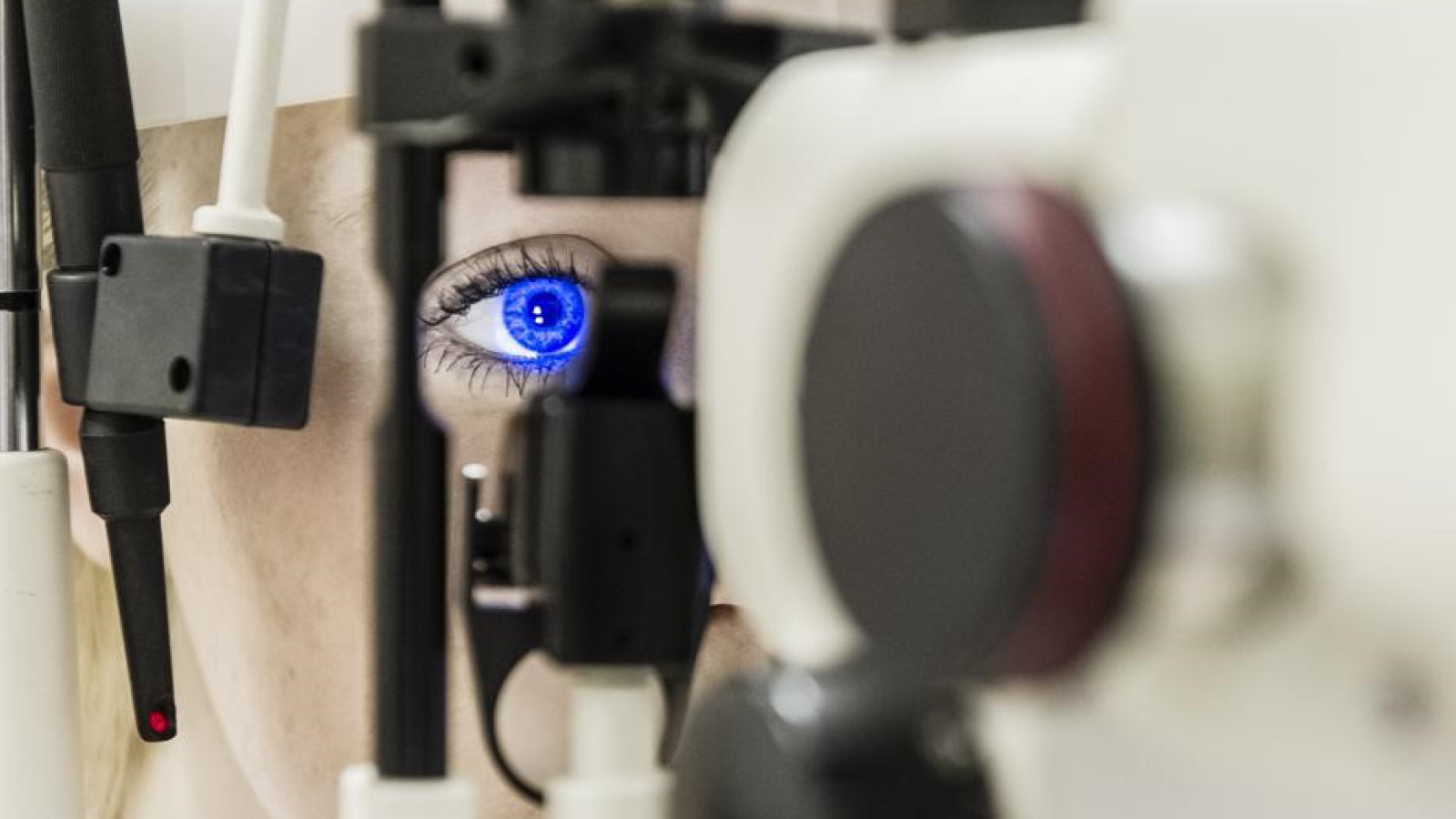
Photo: Glasgow Caledonian University
What does it take to transform eye care for a nation? At Glasgow Caledonian University (GCU), the answer is innovation, collaboration, and a bold vision for the future.
We welcomed our first cohort of students into our new Masters in Optometry with Independent Prescribing (MOptom IP) course in September 2024. This unique and innovative programme places advanced clinical practice at its core, enabling graduates to qualify as Independent Prescribers – the most clinically advanced level for optometrists in the UK.
As our first cohort completed its year with excellent outcomes, demand was high for the second intake in September 2025.
Why this matters for Scotland’s healthcare
This new course is the result of several years planning with the Scottish Government, NHS Education for Scotland (NES), and the Scottish Funding Council. Its design was shaped by input from a wide range of stakeholders including government, NHS, NES, professional and regulatory bodies, patients, industry leaders, and the wider optometry profession.
It aligns with Scottish Government policy and actively operationalises the ambitions of its Population Health Framework (2025), to expand community-based eye care and strengthen the non-medical workforce within hospital eye services.
By equipping graduates to treat patients with eye disease in the community, the programme directly helps to alleviate pressure on secondary care, supports a financially sustainable eye-care model, improves access across Scotland, and reduces health inequalities.
With educational equity and widening access at the heart of GCU’s mission, our first cohorts reflect Scotland’s communities, with representation across ethnic minority backgrounds, SIMD20 areas, mature students, and those with disclosed disabilities. This creates a learning environment that mirrors the population it serves.
Progression through the course has been supported by a tailored induction and strong academic guidance. Feedback has been overwhelmingly positive. Farah Ahmed, Year 2 student MOptom(IP) at GCU said:
“Lecturers have been helpful across the board… (and) excellent facilities have enabled me to progress with confidence.”
Partnership driving excellence and real-world learning
Early clinical exposure further sets this programme apart. Placements were supported by Optometry Scotland across independent practices and major multiples such as Asda, Boots, Duncan & Todd, Hakim Group, Optical Express, Specsavers, and Vision Express – from Glasgow and Edinburgh to Aberdeen and Orkney.
Partnership working ensures students gain exposure to cutting-edge technologies and best practice, positioning GCU as a leader in eye care education and shaping the future of vision health for years to come.
These experiences were highly rated, and every participating practice said the students made a strong impression and would host again. One industry partner told us the “students were true ambassadors for the University and the profession.”
Looking ahead
By harnessing the strengths of GCU and aligning directly with national health, education, and workforce priorities, this pathway is not only widening access to advanced optometry training but also delivers tangible benefits to the eye health and wellbeing of communities across Scotland.
Scotland remains the only UK nation offering this integrated pathway, marking a bold and strategic advancement towards a more inclusive and socially responsive model of optometric education in Scotland.
It exemplifies how integrated optometry education – embedding Independent Prescribing from the outset – can be a powerful lever for equitable, preventative, and community-anchored health transformation. As such, it has the potential to serve as a national flagship for how optometric education can drive long-term, system-wide change.
Professor Anita Simmers is the Dean of the School of Health and Life Sciences at Glasgow Caledonian University.