
SFC news published since 2018. See SFC archived content for earlier news articles.
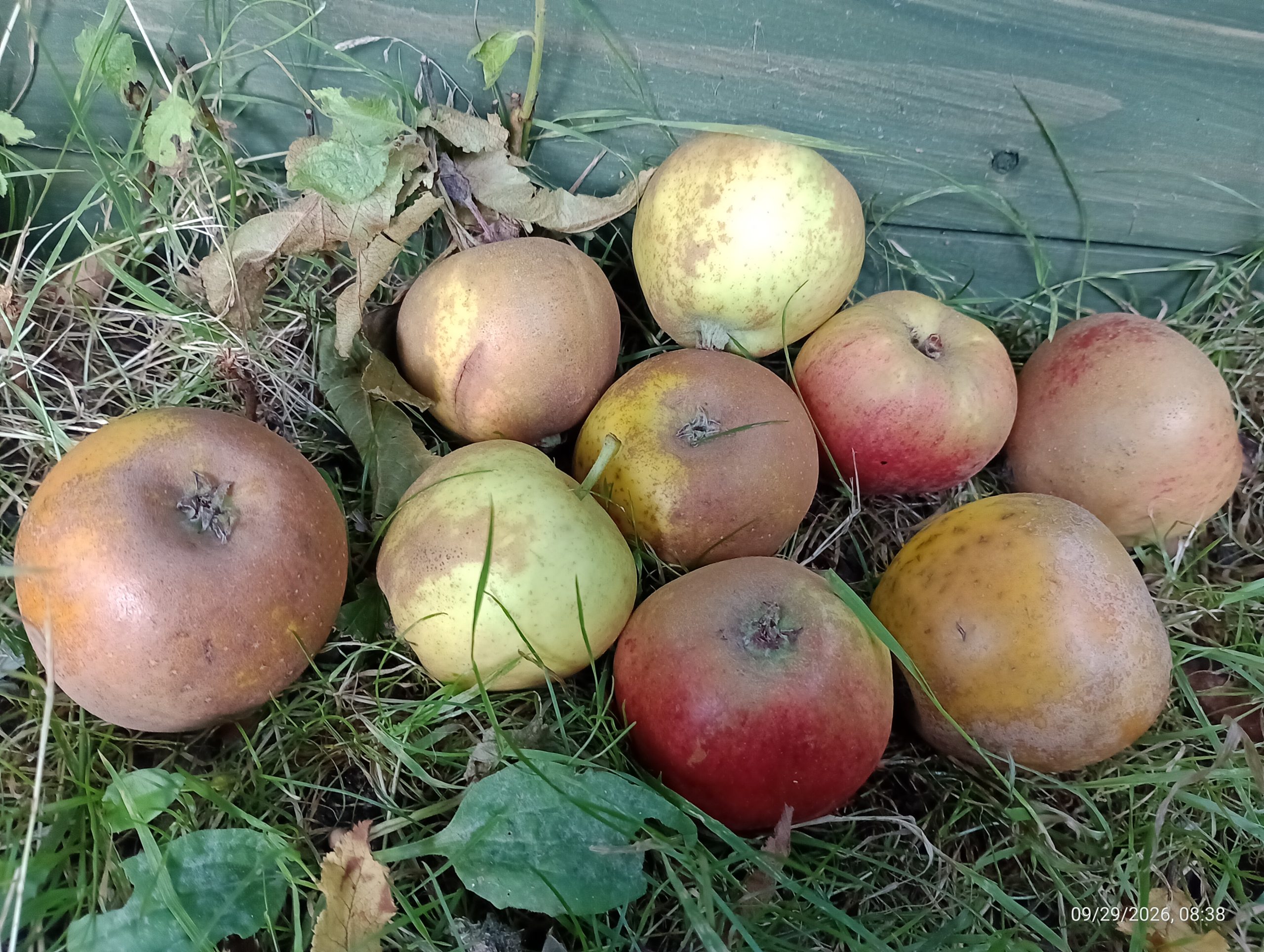
Would you choose a perfectly shaped apple over one that is slightly misshapen?
Many of us might. We often make decisions about food in seconds, and appearance can play a surprisingly important role in what we buy, eat or leave behind. But an imperfect-looking fruit or vegetable is not necessarily less nutritious or less suitable to eat.
Every year on 29 September, the International Day of Awareness of Food Loss and Waste reminds us to think not only about how much food we waste, but also why.
At Robert Gordon University (RGU), these questions connect with teaching and research across the Nutrition and Dietetics (MDiet) and BSc (Hons) Food, Nutrition and Human Health (FNHH) courses, where nutrition, sustainability and public health intersect.
Understanding the scale of food loss and waste
Food loss and waste remain a significant global challenge. According to the Food and Agriculture Organization of the United Nations (FAO), 13.3% of food produced globally is lost between harvest and retail, equivalent to 1.31 billion tonnes (FAO, 2025). The United Nations Environment Programme (UNEP) estimates that 1.05 billion tonnes of food were wasted in 2022, equivalent to approximately 19% of food available to consumers (UNEP, 2024). Closer to home, approximately 10.2 million tonnes of food waste were generated in the UK in 2021, of which around 6.4 million tonnes was edible (WRAP, 2023). These figures represent more than wasted food. They also reflect the land, water and energy used to produce it.
Challenging perceptions of imperfect produce
A carrot may be unusually shaped, an apple may have a small mark, or a potato may not look quite as we expect. Yet these imperfections do not necessarily make the food less nutritious or suitable to eat. Research by Porter et al. (2018) has highlighted how cosmetic standards for fresh produce contribute to food losses and environmental impacts in Europe and the UK.
Appearance alone cannot reliably tell us how nutritious a fruit or vegetable is. Nutritional composition depends on factors such as variety, growing conditions, maturity and storage. Supermarkets often sell produce in different grades. Class 1 produce meets stricter appearance standards, while Class 2 produce may have minor cosmetic imperfections but remains suitable to eat. Many supermarkets offer wonky Class 2 produce at lower prices, although not everyone is drawn to its appearance.
Of course, there is a difference between harmless imperfections and genuine signs of spoilage. Helping consumers recognise this distinction is an important part of reducing avoidable waste.
The role of consumers in reducing food waste
UNEP estimates that households accounted for approximately 60% of global food waste in 2022. There are simple things we can all do: plan meals, store food appropriately and find ways to use leftovers safely. Perhaps we can learn to appreciate fruit and vegetables in all their shapes and sizes. Choosing an oddly shaped carrot or a slightly marked apple may seem like a small decision, but changing these everyday expectations could help reduce avoidable waste.
Exploring perceptions at RGU
At RGU, pilot research explores how appearance and price influence perceptions of nutritional quality and willingness to purchase different grades of fruit and vegetables. Understanding these perceptions could help challenge misconceptions and encourage more sustainable purchasing behaviours. Through engagement with the Scottish Alliance for Food (SCAF), opportunities also arise to exchange knowledge, explore food sustainability research and connect with researchers and professionals across the food system.
Working towards a more sustainable food system
Reducing food loss and waste requires action throughout the food supply chain, from production and retail to households. But it also starts with something simple: rethinking what good food should look like.
This International Day of Awareness of Food Loss and Waste, let’s look beyond appearances and recognise the value of food that might otherwise be overlooked.
Evie Nikokavoura RNutr(Public Health), Lecturer and MDiet Course Leader, in the School of Pharmacy, Applied Sciences and Public Health at Robert Gordon University
29 September 2026
References
FAO (2025). On the International Day of Awareness of Food Loss and Waste, learn how FAO is leveraging data to save food and advance the 2030 Agenda.
Porter, S. D., et al. (2018). Avoidable food losses and associated greenhouse gas emissions from cosmetic standards for fresh produce. Journal of Cleaner Production, 201, 869–878. https://doi.org/10.1016/j.jclepro.2018.08.079
UNEP (2024). Food Waste Index Report 2024.