
SFC news published since 2018. See SFC archived content for earlier news articles.
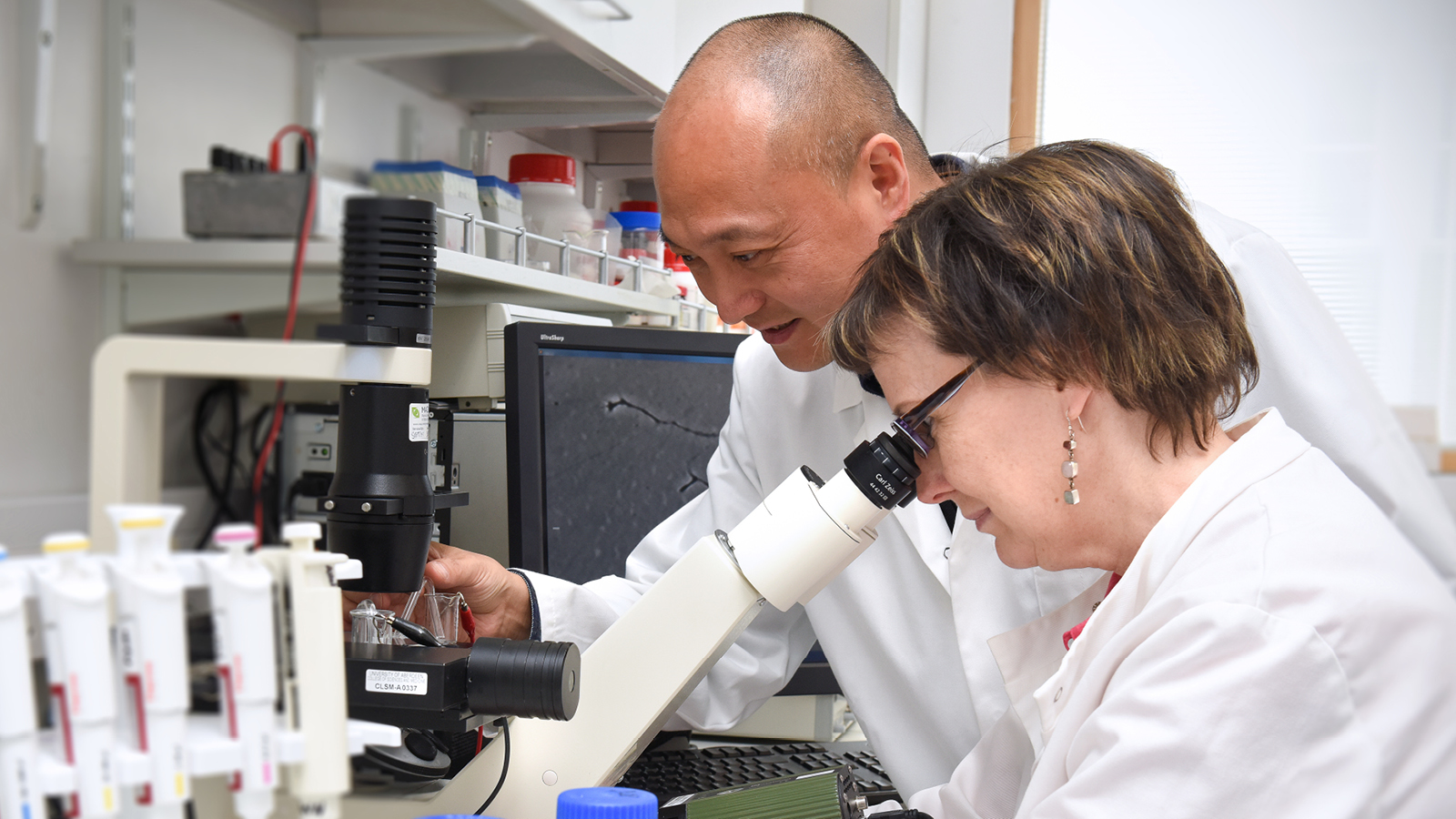
Photo: University of Aberdeen
Scotland’s Biobased Manufacturing Launchpad Showcase on the 7 October in Glasgow brought together entrepreneurs, researchers, funders and policy makers to celebrate the progress of Scotland’s growing industrial biotechnology sector and the impact of the Innovate UK-funded Biobased Manufacturing Launchpad.
As part of the celebration, Alyn Smith MSP, Minister for Innovation, Technology and Tertiary Education launched Scotland’s refreshed National Plan for Industrial Biotechnology, setting out an ambitious roadmap to grow the sector to £2 billion by 2030. The Plan prepared by Industrial Biotechnology Innovation Centre (IBioIC) on behalf of Scottish Enterprise, highlights the importance of industrial biotechnology in delivering sustainable economic growth, supporting net zero ambitions, strengthening domestic supply chains and creating high-value jobs across Scotland.
The launch of the National Plan was fittingly held alongside the Launchpad Showcase because both demonstrate the central role played by the IBioIC, one of SFC’s four Innovation Centres. Over the last decade, IBioIC has been instrumental in helping shape Scotland’s industrial biotechnology ecosystem. It has connected industry, academia and government, supported innovation and enabled the commercialisation of new technologies and products, as well as the training and education of a skilled workforce.
The £7 million Launchpad, managed by IBioIC was the only Scotland-based programme to be awarded by Innovate UK, and was delivered in partnership by IBioIC, with Scottish Enterprise and Forth Valley College. The funding was invested across 30 projects, supporting the growth of biobased manufacturing in Scotland.
What stood out the most was not simply the quality of the ideas, but rather the evidence of businesses moving beyond the concept stage and into growth. We heard directly from founders and innovators working across sustainable food production, circular economy solutions, biotechnology and advanced materials. Examples include the development of plastics containing engineered microbes that break down under specific environmental conditions to reduce plastic pollution, the extraction of valuable chemicals and ingredients from Scottish seaweed for us in a range of industrial applications, the use of insects to convert food waste into sustainable protein, oils and fertilizers, and the use of biology and artificial intelligence to engineer microbes that can produce sustainable alternatives to petroleum-based products.
Many of the Launchpad businesses taking part in the showcase had either started from or had drawn upon Scotland’s academic excellence and innovation support infrastructure. Thereby enabling product development, job creation and attracting investment, demonstrating how research and innovation can translate into real economic and societal impact.
For the Scottish Funding Council (SFC), the event also reinforced the importance of our continued investment into our Innovation Centres. This forms part of our longer-term commitment to strengthening Scotland’s knowledge exchange and innovation system, ensuring collaboration and turning the academic expertise in Scotland’s universities and colleges into economic and societal benefit. Through our investment, we seek to help leverage additional funding into Scotland, IBioIC’s Launchpad success is an example. However, IBioIC’s contribution extends beyond funding leverage, project delivery and alignment to Scotland’s priorities. The Innovation Centre has played a leading role in shaping Scotland’s industrial biotechnology agenda, helping to develop the refreshed National Plan, and acting as a leader and convenor across industry, academia and the public sector.
The launch of the new National Plan alongside the Launchpad Showcase highlighted how effective this model can be. Demonstrating not only what Scotland has already achieved in industrial biotechnology, but also how strong partnerships, strategic leadership and sustained investment can enable Scotland to realise the next phase of growth, and that IBioIC will continue to be a key partner in delivering future ambitions.
Julia Mitchell is a Senior Policy Officer in Investment and Research at the Scottish Funding Council.