SFC news published since 2018. See SFC archived content for earlier news articles.
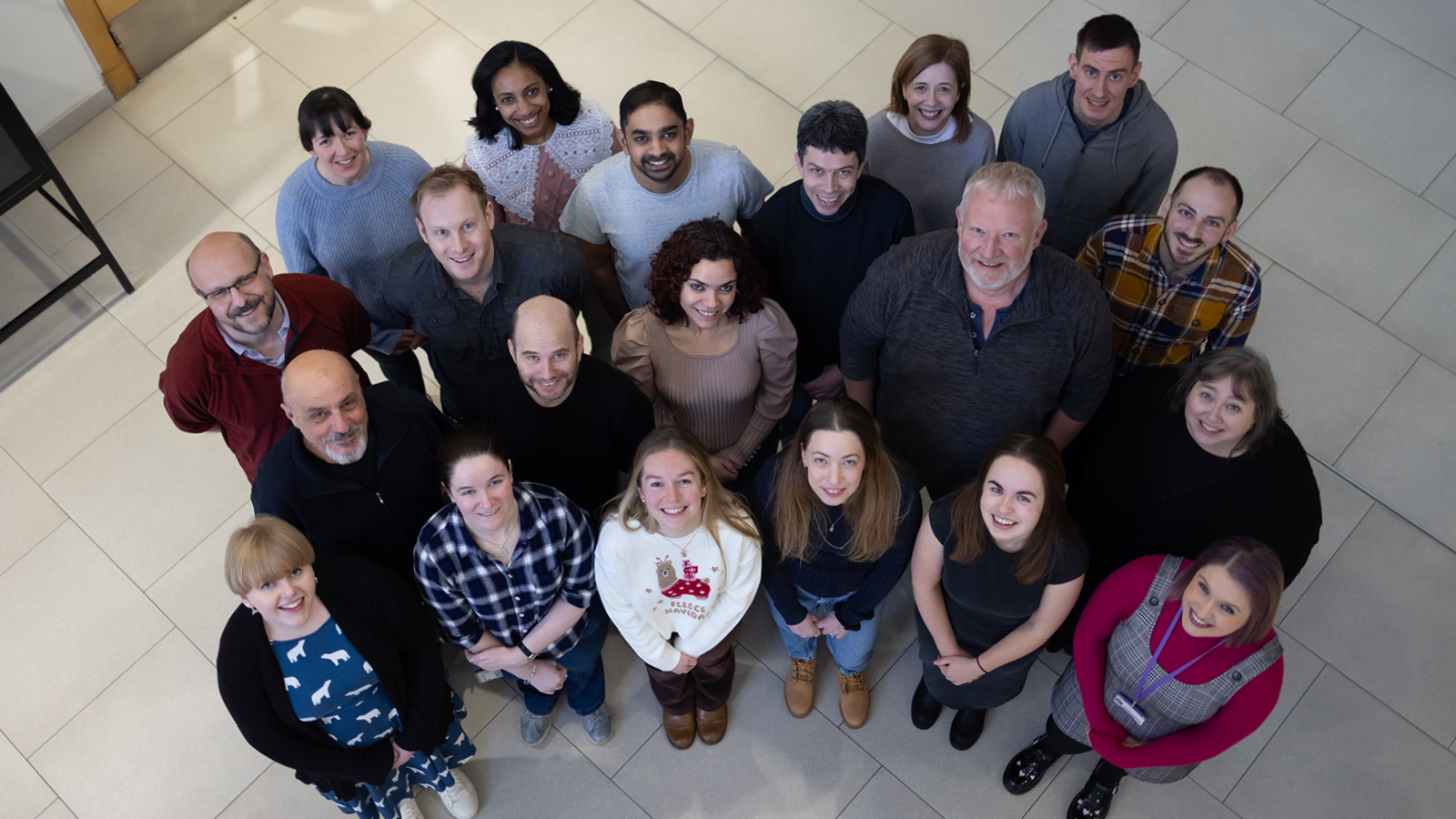
Photo: University of Dundee
Every year, World Chagas Disease Day serves as an important reminder of a global health challenge that often goes unnoticed. Chagas disease, which is caused by the parasite Trypanosoma cruzi, affects an estimated 10 million people worldwide, yet it remains one of the most neglected tropical diseases. Marking this day isn’t just symbolic, it’s essential for raising awareness, driving research, and reminding the world that millions of people are still waiting for safer, more effective treatments.
A Silent Disease
Chagas disease is often called a “silent” illness, as people infected with Trypanosoma cruzi don’t show symptoms for years, even decades. But beneath that silence, the parasite slowly and gradually causes damage. Over time, it can cause severe, even life-threatening, cardiac and gastrointestinal disease.
This chronic nature is precisely what makes developing new treatments so challenging. Experts agree that to prevent symptomatic disease every last parasite must be eradicated, even those hiding deep within tissues, before the parasite has caused too much damage. That’s a tall order. The parasite’s biology is complex, and the ability of some parasites to survive drug treatment makes drug discovery incredibly difficult. New treatments must be able to reach and clear all parasites, yet be safe enough for use in people who may not feel sick at all. It’s a scientific puzzle that has resisted easy solutions.
A Team Effort Fueled by Passion and Expertise
I have been working at the Drug Discovery Unit (DDU) of the University of Dundee for over 17 years, initially as a bench-scientist, and now leading our Chagas disease drug discovery portfolio. The DDU is a unique organisation, an academic unit that carries out professional drug discovery with industry-level expertise and facilities, thus providing a platform to develop new treatments without the need for commercial return, which often drives drug discovery in the pharmaceutical industry.
Within the Chagas disease programme our mission is to develop new potential treatments. Despite all the challenges, the progress being made by the team is inspiring. For me, one of the most exciting aspects of drug discovery is the way it brings together people with diverse skills and backgrounds. Biologists, chemists, computer scientists, pharmacologists, and many others collaborate to tackle all the pieces of the problem. It’s a multidisciplinary effort where collective expertise achieves what no one could alone.
Our own team exemplifies this spirit. I’m incredibly proud of the dedicated, talented group of people who have committed themselves to this work. Their creativity, resilience, and scientific curiosity drive every breakthrough. Drug discovery is rarely a straight line, it’s a journey filled with unexpected twists, and having such a passionate team makes all the difference.
Long Term Commitment to Chagas Disease
I’m also proud of our nearly 15 year history working on Chagas disease. In a world where research funding often follows trends and headlines, long term commitment to a neglected disease is rare. Special thanks go to Wellcome, the Drugs for Neglected Diseases initiative (DNDi) and UKRI, who have all provided direct support for our programme as well as the Scottish Funding Council, for underpinning all our research. Very few organisations globally focus on Chagas drug discovery, and being part of that small but determined community is something we value deeply.
Over the years, we’ve built expertise, developed promising compounds, and contributed to a growing global understanding of what it will take to defeat this disease. That continuity matters, especially when tackling a problem as complex as Chagas. Yet, more work is needed to progress our promising results and compounds to actual new treatments for Chagas disease patients.
The Funding Challenge
Despite the clear need for new treatments, securing funding remains one of the biggest obstacles. Chagas disease primarily affects people in low income regions, which means traditional commercial incentives don’t exist. Progress depends on grants, partnerships, and philanthropic support. Unfortunately, changing funder priorities are now pushing Chagas disease drug discovery further to the margins of global health research.
This makes every step forward even more important. It also underscores why awareness days like this are so important: they help shine a light on a disease that rarely gets the attention it needs.
Collaboration Across Borders
No single organisation can solve Chagas disease alone. International collaboration is essential, and we’re fortunate to work with outstanding partners who share our mission; DNDi is a global leader and coordinator in neglected tropical disease drug discovery, GSK has contributed invaluable pharmaceutical industry expertise and support and the University of Washington is a key academic collaborator. These partnerships amplify our impact and accelerate progress in ways none of us could achieve independently.
Hope on the Horizon
Even with the ongoing struggle for funding, it’s encouraging to see that the few groups active in Chagas disease drug discovery worldwide are advancing new potential drug candidates. Every new discovery adds momentum, strengthens the field, and brings us closer to the day when better treatments become available for Chagas disease patients.
World Chagas Disease Day reminds us why this work matters. It honours the people affected, celebrates the scientists pushing boundaries, and renews our commitment to finding the treatments the world urgently needs.
Manu De Rycker, Principal Investigator, University of Dundee.